What is optical coating?
Optical coating is the application of a thin-film layer to the surface of optical parts that reduces light reflection (such a coating is also called an antireflective or anti-glare coating). Thanks to the coating, more light passes through a lens, window, or prism, glare disappears, and the image becomes more contrasty and clear.
Why do uncoated lenses glare?
Light hitting the glass–air interface is partially reflected. For ordinary optical glass with a refractive index of about 1.5, each surface reflects about 4% of the incident light. In a lens system with ten lenses (twenty surfaces), reflection losses can reach almost half of the light! That is why uncoated lenses glare strongly and the image looks dim.
How an antireflective coating works?
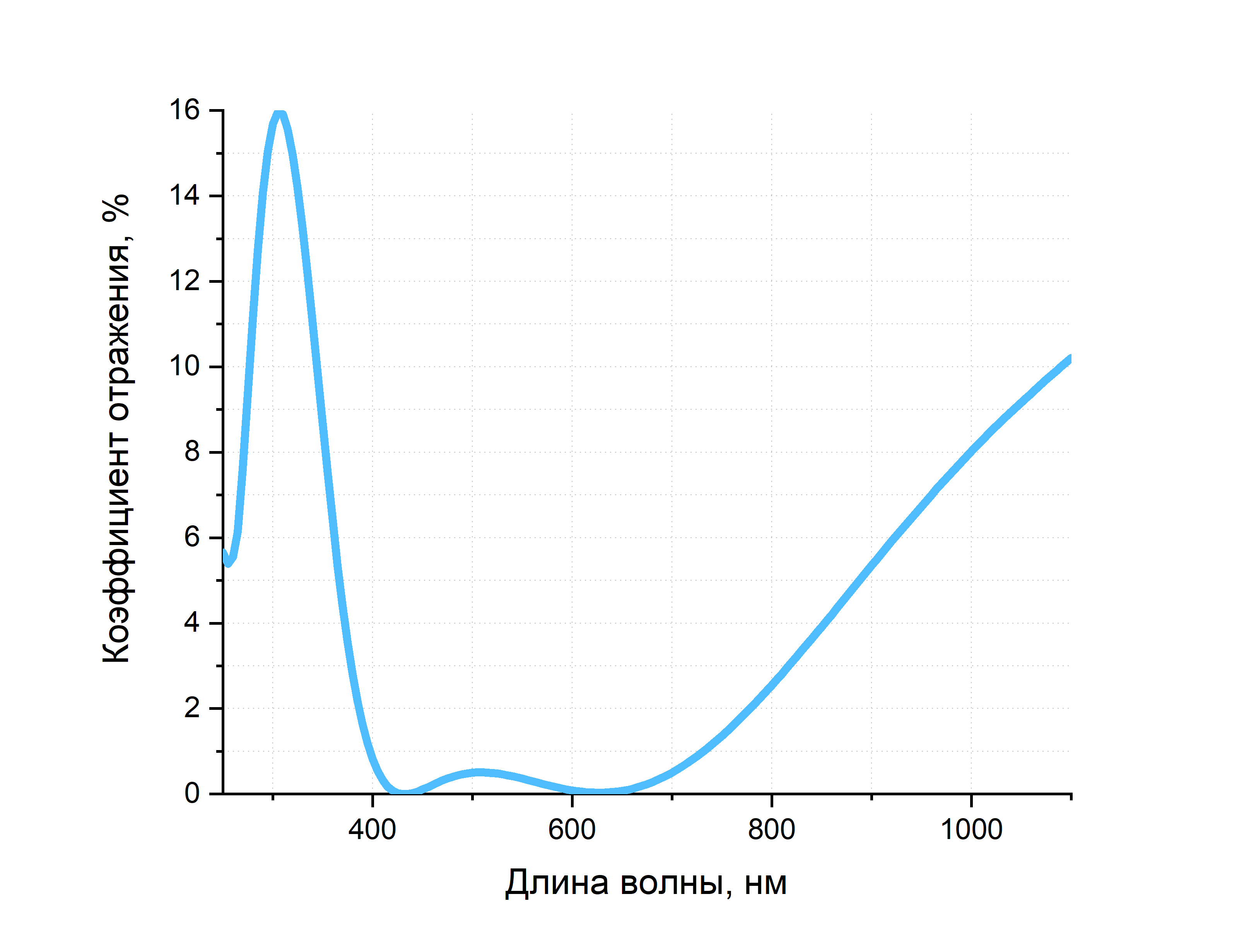
The principle is based on light interference. A film with a thickness of about a quarter of the wavelength (λ/4) is applied to the surface. Rays reflected from the top boundary of the film and from the film–glass boundary interfere in antiphase and cancel each other out. As a result, reflection drops sharply and transmission increases — precisely in the wavelength range for which the film was designed.
Types of antireflective coatings
- single-layer — simple and inexpensive, effective in one narrow range;
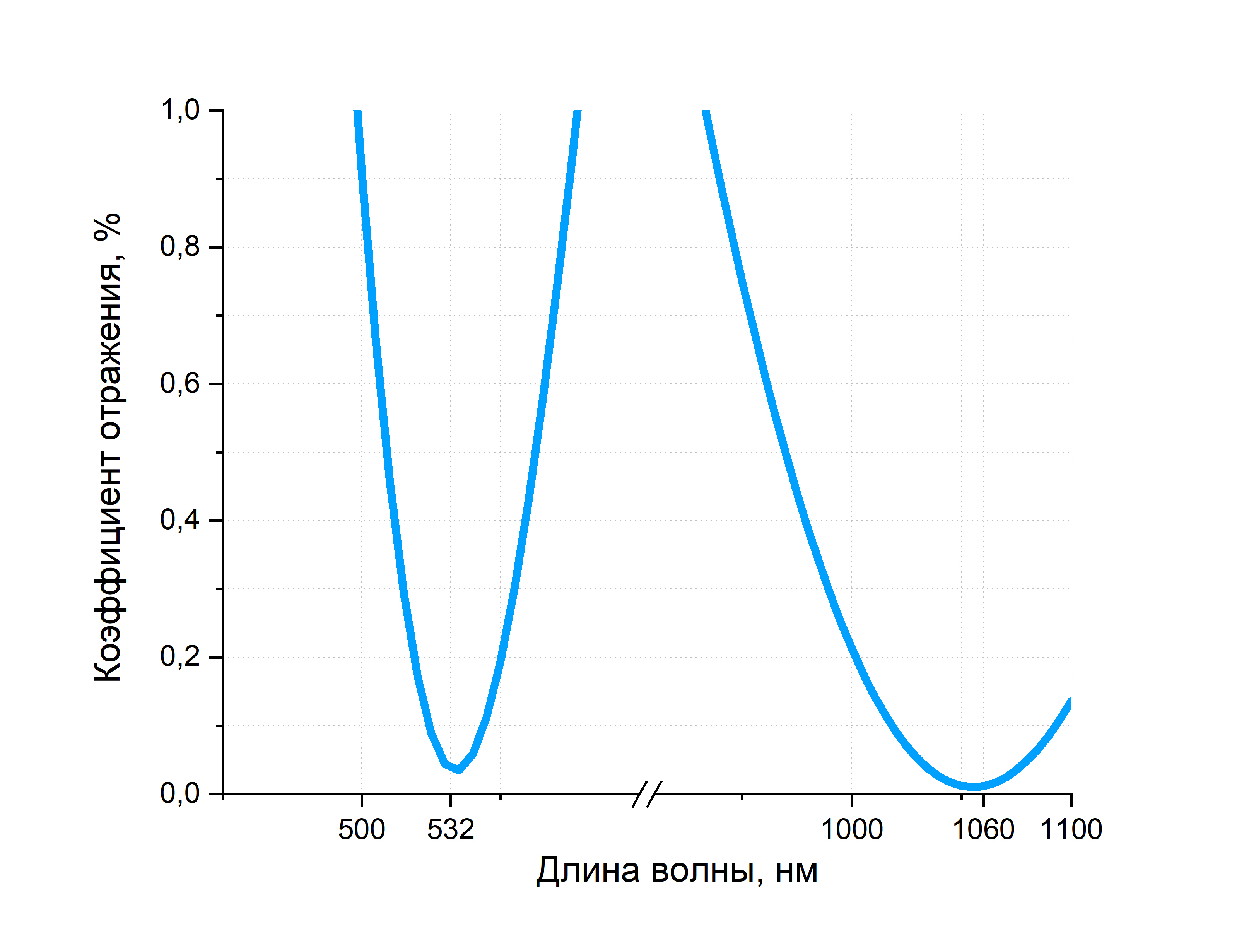
- multilayer (V-coating) — dozens of layers, reflection close to zero at the specified wavelength;
- broadband — even coverage across the entire visible range 400–700 nm and beyond.
How coatings are applied
Coatings are applied by vacuum deposition: layers of dielectric materials (titanium and silicon oxides, and others) are deposited on the substrate in a vacuum chamber, with the thickness of each layer controlled to within fractions of a nanometer.

Advantages of coated optics
- higher transmission — brighter and more contrasty image;
- fewer stray reflections and halos;
- stable performance in the specified spectral range.
We will select an antireflective coating for your task: from a simple single-layer coating to multilayer dielectric coatings for the required wavelengths. More about our products — in the Optical Coatings section.